Dentistry is no longer limited to what the human eye can see. With the introduction of artificial intelligence (AI), dental diagnostics are becoming faster, more accurate, and far more predictive than ever before.
Today, AI-powered systems can analyse digital X-rays, scans, and patient data within seconds. What once took a dentist several minutes to assess can now be flagged almost instantly, often with greater precision. Tiny cavities, early-stage gum disease, or even subtle bone loss can be detected long before symptoms appear.
Another major shift is consistency. Human judgment can vary depending on experience or fatigue, but AI provides a more standardised analysis. It highlights areas of concern, allowing dentists to double-check and confirm findings rather than relying solely on manual interpretation. See Here: How Regular Dental Check-Ups Can Save Lives by Detecting Oral Cancer Early
In practical terms, this means fewer missed issues, earlier intervention, and better outcomes for patients. Instead of treating problems after they become painful or complex, dentists can now act early—saving both time and discomfort.
What Does Artificial Intelligence Mean in Modern Dentistry?
Honestly, when people hear “artificial intelligence,” it sounds more complicated than it really is. In dentistry, it’s just technology that helps dentists take a closer, more careful look at what’s going on in your mouth.
It doesn’t replace the dentist, and it’s not making decisions on its own. Think of it more like a second opinion that’s always there. While your dentist is looking at your X-rays or scans, this system can quietly point out anything that might need a bit more attention. Unveiling the Truth: Should You Be Concerned About White Spots on Your Teeth?
Say you’ve got a scan done. Alongside the dentist, the software can compare it with lots of similar cases and highlight small details that are easy to miss, especially in early stages. It’s not doing the job for them—it’s just helping them double-check things.
You’ll already find it being used in areas like:
- Digital smile design
- Orthodontic planning
- Cavity detection
- Gum disease monitoring
At the end of the day, it’s just there to make things a bit clearer and more reassuring—for both the dentist and the patient. No big mystery, just better support behind the scenes.
Why Is AI Becoming Essential for Smile Transformation?
When people think about changing their smile, the biggest worry is usually, “What if I don’t like the result?” That uncertainty used to be a real thing.
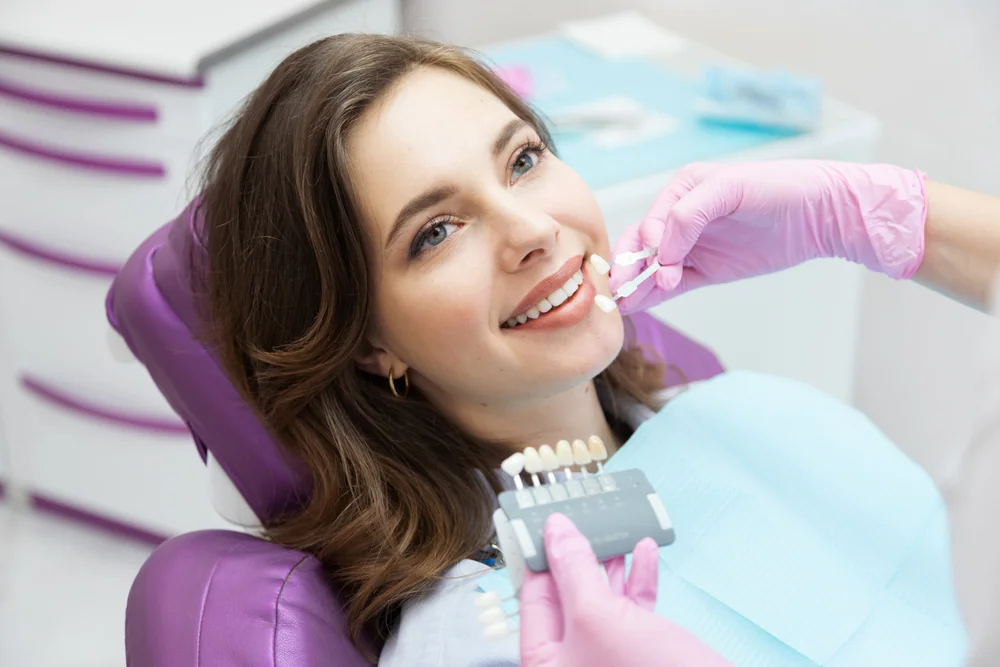
Now, you don’t have to just imagine it in your head. You can actually get a pretty clear idea of how things might look before anything starts. That makes a big difference—people feel a lot more sure about going ahead.
It also helps the dentist understand you better. Not everyone wants the same kind of smile, and this makes it easier to get on the same page from the beginning.
So instead of just trusting the process and hoping for the best, you’re actually involved in it. You can see it, talk about it, make small changes—and then move forward.
That’s why it’s becoming such a big part of smile treatments now. It just takes away a lot of the doubt.
What Role Does AI Play in Detecting Hidden Dental Problems?
Some dental problems are silent, developing below the surface and hard to catch in regular check-ups. Enter AI, which is tremendously valuable here.
AI tools can comb through radiographs and uncover patterns associated with early decay, microfractures, infections or changes in bone density — sometimes well before they are visible to the naked eye.
A small cavity between teeth, for instance, may not be apparent during a visual exam. But AI can highlight slight differences in density or structure, prompting the dentist to do a bit more of an investigation. Revolutionising Your Smile: Exploring the Latest Innovations in Dental Care
It also aids in monitoring progression. By comparing scans over time, A.I. can demonstrate whether a condition is stable, improving or worsening.
This level of detail allows for more preventative care. Instead of waiting for symptoms such as pain or sensitivity, dentists can intervene early and stop more serious complications from arising.
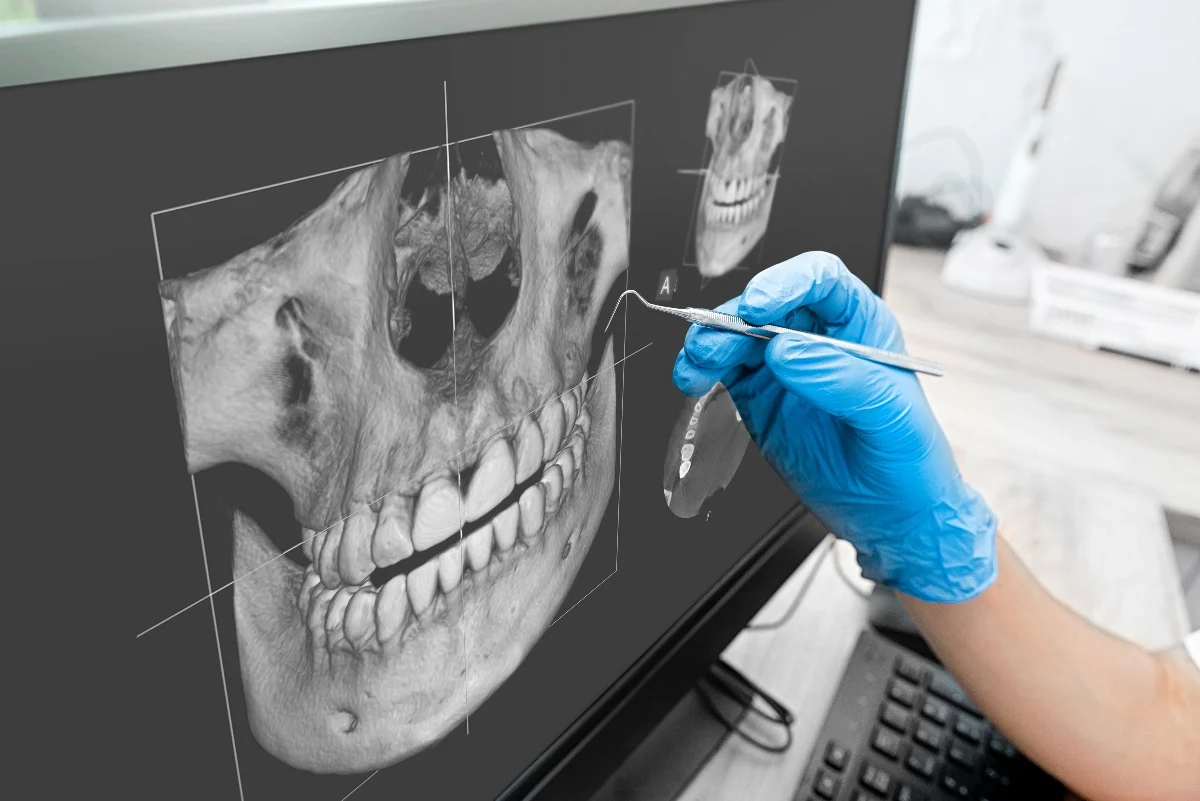
How Is AI Transforming Dental Treatment Planning?
Traditional treatment planning has been largely manual and experience-driven. While some expertise is still needed, AI has the advantage of data-driven accuracy to work with.
For example, AI systems can be trained to analyse a patient’s complete dental profile — information on the alignment of his or her bite and jaw structure, along with oral health history — to recommend optimised treatment pathways.
In orthodontics, for instance, AI can analyze and predict on how a particular set of teeth will shift over time and advise the most effective method to use. In restorative dentistry, it may assist in modeling crowns, veneers or implants that fit better.
Another big advantage is the time efficiency. What used to take several meetings and revisions can be streamlined, reducing the time spent in treatment overall.
Patients have clearer timelines, more predictable outcomes and fewer surprises in between.
What Are the Benefits, Risks, or Limitations of AI in Dental Diagnostics?
Like anything new in dentistry, this technology has its upsides, but there are also a few things to be mindful of.
Benefits
- It helps dentists spot problems more clearly, especially in early stages that are easy to miss
- Speeds things up, so you’re not waiting as long for results or decisions
- Makes treatment planning more tailored to each person instead of a general approach
- Reduces the chances of small issues being overlooked
- Helps patients understand what’s going on through visuals and simple explanations
- Makes the whole experience feel a bit more reassuring and transparent
Risks and Limitations
- It’s only as good as the data behind it, so it’s not always 100% perfect
- Dentists still need to rely on their own judgement—it shouldn’t replace experience
- There are privacy concerns, since personal dental data is being used and stored
- Not every clinic has access to this technology yet, so the experience can vary
- Sometimes people may expect it to be “flawless,” which isn’t realistic
What Does the Future of AI in Dental Diagnostics Look Like?
We hope this information on AI in dentistry was helpful.
We are likely to see more real-time dental diagnostics, where AI assists dentists during live procedures. Remote consultations may also become more advanced, with AI helping to assess conditions through digital scans from home.
Personalisation will continue to improve. Treatments will be customized not just to your dental structure, but also to your lifestyle, habits, and long-term oral health risks. Laser Teeth Whitening vs. Traditional Methods – Pain, Duration, and Effectiveness Explored
So this is a big potential for robots to do things based on AI in complex procedures which have many things and increased precision.
And the only thing that will still be necessary, even with all these developments, is human expertise. AI assisting and not replacing dentists will be the trend.

FAQs
Q: How accurate is your AI at diagnosing many dental issues compared to a dentist?
AI can often achieve a very high level of accuracy, particularly in examining imaging such as X-rays, where AI is able to identify even the most subtle patterns that would be overlooked. But it is most effective in concert with a dentist’s expertise, not as a replacement.
Q: AI will never take the place of dentists.
No, that’s very unlikely. Dentistry isn’t just about diagnosing issues; it’s also about treating them, speaking with patients, and making judgment calls. Technology can assist, but it cannot substitute the human side of it.
Q: Is AI used in routine dental checkups?
In some clinics, yes. It’s increasingly common, especially for reading tears and spotting early signs of trouble. Not every practice uses it yet, but it’s definitely growing.
Q: What does AI bring to cosmetic dentistry?
One of the best tools to achieve this is to show you what your smile can look like before getting started. That means it is a little easier for you to know what the hell you want, and helps the dentist guess things more accurately. It takes a lot of the guesswork out.