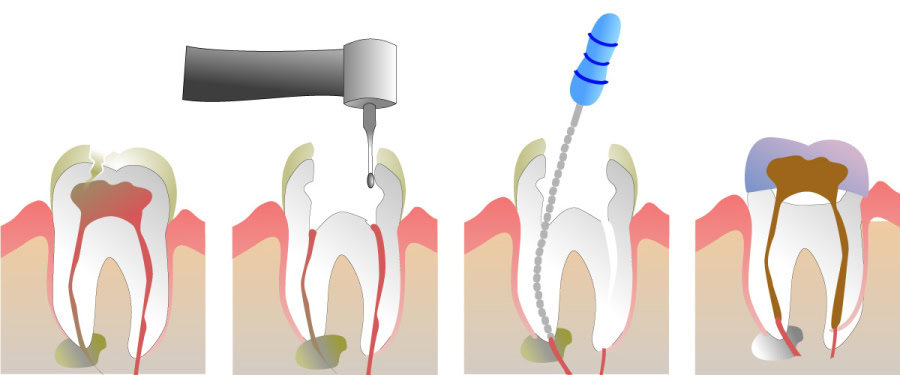
A root canal treatment is often the best way to save a damaged or infected tooth—but what happens after the procedure matters just as much as the treatment itself.
At Ultima White Guildford, we understand that many patients feel unsure about what to expect once they leave the dental chair. Will there be pain? What can you eat? How do you protect your teeth?
This guide walks you through everything you need to know—simply, clearly, and honestly—so you can recover comfortably and confidently.
What Should You Expect After a Post-Root Canal Treatment?
Right after your post-root canal Guildford, it’s completely normal to feel a little “off” around the treated area. See Navigating Root Canals: What to Expect and Why They Matter
You might experience:
- Mild to moderate tenderness
- Slight swelling in the gums
- Sensitivity when biting or chewing
- A numb feeling for a few hours (from anaesthesia)
This doesn’t mean something is wrong—it’s simply your body healing. The surrounding tissues may feel sore because they were inflamed before and slightly irritated during the procedure.
Most people find that discomfort peaks within the first 24–48 hours and gradually improves over a few days.
How Can You Manage Pain and Discomfort After a Root Canal?
Let’s be honest—no one likes pain. The good news is that post-root canal discomfort is usually manageable.
Here’s what actually helps:
- Take recommended pain relief: Over-the-counter painkillers like ibuprofen or paracetamol are usually enough. Always follow your dentist’s advice.
- Avoid chewing on the treated side: Your tooth needs time to settle. Biting down too soon can increase discomfort.
- Use a cold compress if needed: If there’s slight swelling, gently applying a cold pack to the outside of your cheek can help reduce inflammation.
- Rest matters more than you think: Your body heals faster when you’re not overexerting yourself.
If pain feels severe, worsens after a few days, or doesn’t improve at all—don’t ignore it. Reach out to your dentist promptly.
What Should You Eat (and Avoid) After a Post-Root Canal?
What you eat can have a great impact on your recovery. What you should eat:
Stick to soft, easy-to-chew foods such as:
- Yogurt
- Mashed potatoes
- Scrambled eggs
- Smoothies (not too cold)
- Soups (lukewarm, not hot)
What to avoid:
- Some foods can irritate or damage the tooth you had treated.
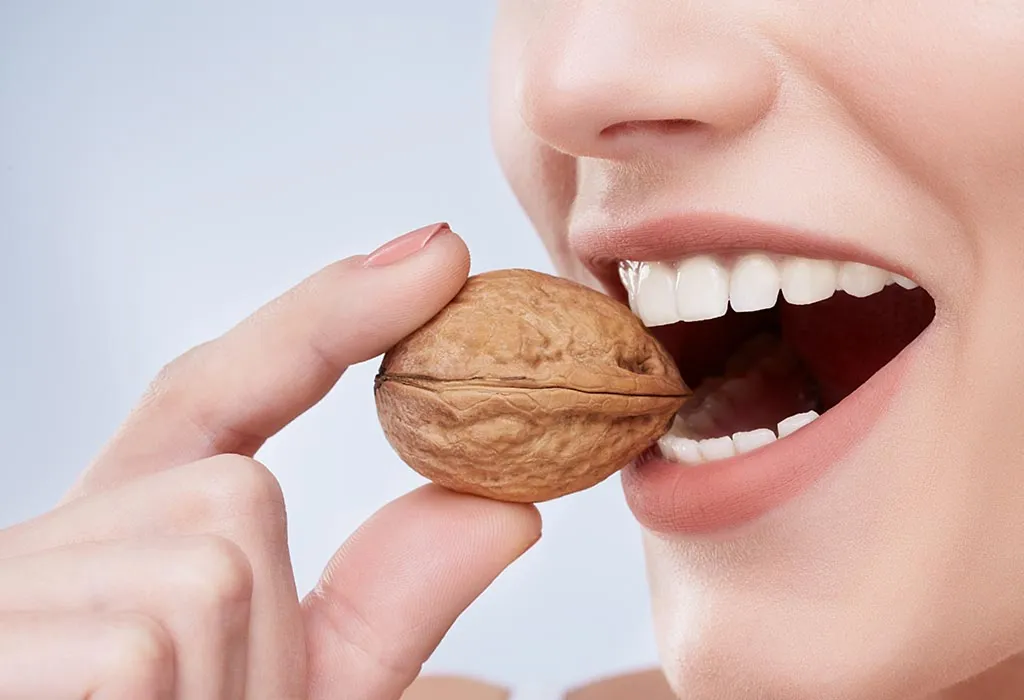
- Tough foods (nuts, chips, crusty bread)
- Sticky foods (caramel, chewing gum)
- Very hot or very cold foods
- Snacks full of sugar can promote bacteria
A good rule of thumb: if chewing feels hazardous, it is. Checkout: Chewing Gum: The Surprising Ally for Your Oral Health
How Do You Properly Care for Your Teeth After a Post-Root Canal?
Many patients fear brushing by the treated area — but maintaining good oral hygiene is vital for healing.
Here’s how to do it safely:
- Gently brush twice a day with a soft-bristle toothbrush
- Floss gently, making sure not to snap the floss down onto tender gums
- Gargle with warm salt water to soothe the area and kill bacteria
- Avoid aggressive mouthwashes unless recommended
If it has a temporary filling, be extra gentle — it isn’t as strong as a permanent restoration. See The Vital Role of Baby Teeth in Your Child’s Oral and Overall Development
What Activities Should You Avoid During Recovery?
You don’t need to stay in bed all day—but a few precautions go a long way.
Try to avoid:
- Intense physical activity for the first 24 hours
- Chewing on the treated side
- Smoking or alcohol (they slow healing)
- Clenching or grinding your teeth
Give your body—and your tooth—a little time to recover without added stress.
What Are the Warning Signs of Complications After a Root Canal?
Although post-root canal recovery is usually a smooth process, it’s helpful to know when things aren’t functioning properly Guildford.
If you experience any of the following, reach out to your dentist:
- Pain that is severe or worsening after a few days
- Chronic swelling in the gums or forehead
- Pus or unusual discharge
- An unpleasant aftertaste that lingers
- Fever or feeling unwell
- Has trouble eating despite having tried multiple days
Such signs might point to infection or the need for additional therapy. Addressing a situation early can help avoid bigger problems down the line. See Here: How an Improved Diet Can Enhance Your Teeth Whitening Results
When Should You Schedule Your Follow-Up Appointment Guildford?
Your post-root canal Guildford isn’t fully complete until your tooth is properly restored—usually with a permanent filling or crown.
You should:
- Attend your follow-up appointment as advised (often within a few weeks)
- Never delay placing a crown if recommended—it protects your tooth from breaking
- Keep up with regular dental check-ups
Skipping follow-ups is one of the most common reasons post-root canal treatments fail over time.

FAQs
Q: How long does it usually take to fully recover after a post-root canal treatment, and when should I start feeling normal again?
Most people Guildford start to feel better within 2–3 days post-root canal, as any soreness fades gradually. It might take up to a week or more for the surrounding tissues to heal completely. If you’re not feeling better after a few days or your discomfort suddenly worsens, getting in touch with your dentist to ease concerns is always a good idea.”
Q: What foods can I eat after a post-root canal, and how long do I need to follow a soft diet Guildford?
The first few days, stick to soft foods: yogurt, mashed potatoes, soups, scrambled eggs. You should continue to avoid hard or crunchy foods until the tenderness fades and your dentist tells you it’s safe — particularly if you have a temporary filling in place.
Q: What are the most effective methods for managing pain at home post-root canal without irritating your mouth further?
Take recommended pain relief medication, don’t chew on the treated side, and rest is the best way to go! If there’s swelling, you can apply a cold compress. It’s also critical to steer clear of very hot or hard foods because they can add to sensitivity and discomfort.
Q: Should I return to work or my routine right away after a post-root canal, or do I need some time off to recover?
In most instances, you can return to your day-to-day routine that same day or the next, especially if your work isn’t physically demanding. But if you experience discomfort or fatigue, taking a day off can hasten recovery and avoid unnecessary strain.
Q: Is it normal to still feel pain or sensitivity a few days after my post-root canal, or does that mean something went wrong?
Yes, it’s perfectly normal to experience some mild pain or sensitivity for a few days following the procedure. This is typically due to inflammation of the surrounding soft tissues rather than the tooth itself. But sharp, severe, or worsening pain could signal a complication and should be evaluated as soon as possible.
Q: Are there specific foods or drinks that delay healing, cause complications of any sort after a root canal Guildford?
Yes, very hard foods as well as very sticky and sugary ones, and extremely hot or cold ones should most definitely be avoided. These can aggravate the treated area, break temporary fillings, or enhance sensitivity, all of which can impede your recovery.