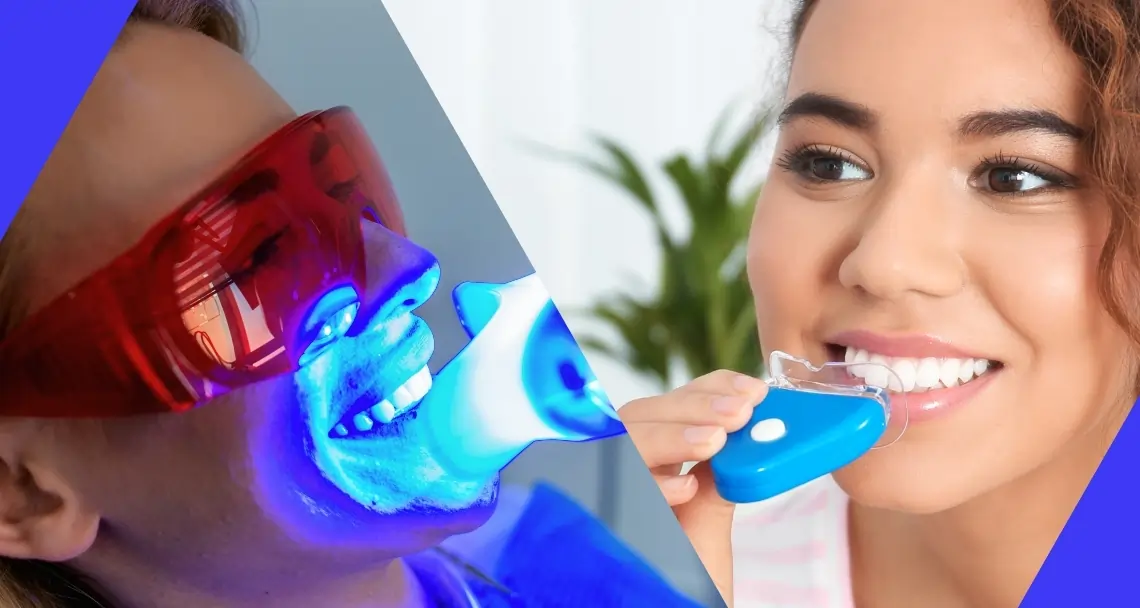
Most people deal with sensitive teeth at some point. Sometimes it’s just a quick, sharp feeling when eating ice cream or drinking hot tea, but for some people it becomes something they notice every day.
You may notice yourself avoiding ice-cold drinks, chewing on one side, or brushing gently because a certain tooth suddenly feels painful. A little teeth sensitivity Guildford from time to time is quite common, but if it keeps happening, it’s usually a sign that something isn’t quite right. The Vital Link: How Oral Health Shapes Your Overall Wellbeing
A trip to the dentist can narrow down the source. So it might be due to worn enamel, receding gums, teeth grinding, or even a cavity that is still small enough to treat early. Having it checked as soon as possible will prevent things from getting worse, and people can enjoy normal activities like eating, drinking, and brushing again.
Understanding the Causes of Teeth Sensitivity
Teeth sensitivity Guildford usually begins when the outer protective layer of the tooth gets worn away, or the gums start to recede a little. Under the enamel, there’s a softer layer known as dentin, and this has tiny channels that lead straight to the nerve inside the tooth.
Once that area is exposed, things like cold drinks, hot food, or sugary snacks can suddenly trigger a sharp or uncomfortable feeling in the tooth.
Common causes include:
- Worn enamel due to aggressive brushing
- Gum recession exposing tooth roots.
- Tooth decay or cavities
- Cracked or chipped teeth
- Teeth grinding (especially at night)
Common Triggers That Make Tooth Sensitivity Worse
Certain everyday habits and foods can make teeth sensitivity Guildford more noticeable or uncomfortable. Some of the most common triggers include:
- Very cold drinks, like iced water or smoothies
- Hot beverages such as tea and coffee
- Sugary or acidic foods (sweets, citrus fruits, fizzy drinks)
- Cold air, especially when breathing through the mouth
- Brushing too hard or using a hard-bristle toothbrush
Even small changes in routine can sometimes reduce how often these triggers cause discomfort.

Home Remedies vs Professional Dental Care for Relief
If you only have the occasional bout of tooth sensitivity, there are some simple things that may be worth trying in the comfort of your own home. For some, desensitising toothpaste helps when used for a few weeks. Gentler brushing and a softer toothbrush can also help (especially if the gums feel achy).
But sensitivity does not always go away on its own. If there’s a cavity, thinning enamel, or a gum problem underneath, the discomfort often keeps returning, no matter what toothpaste you use.
That’s usually the point where seeing a dentist helps. They can check what’s actually causing the problem and recommend the right treatment. For one person, it might just be a fluoride treatment, while someone else may need a filling or gum treatment instead. Healthy Smile, Healthy Body: The Importance of Routine Dental Check-ups
Home remedies can sometimes calm things down, but they do not always solve the reason the teeth sensitivity Guildford started in the first place.
Warning Signs That Your Tooth Sensitivity Needs Attention
Certain foods, drinks, and daily habits can make sensitive teeth feel much more uncomfortable. Some of the most common triggers include:
- Very cold drinks, like iced water or smoothies
- Hot drinks such as tea or coffee
- Sugary or acidic foods like sweets, citrus fruits, and fizzy drinks
- Cold air, especially during colder weather or when breathing through the mouth
- Brushing too hard or using a toothbrush with firm bristles
For some people, even small everyday things can trigger teeth sensitivity Guildford. Even small changes in your daily routine can often help reduce how often it happens. Laser Teeth Whitening vs Alternatives: Which Smile Brightening Method Is Best?
When to See a Dentist for Persistent Tooth Pain and Sensitivity
It is always advisable to have it checked rather than wait for tooth sensitivity that recurs and then goes away. Chronic pain can also indicate enamel wear and tear, trafficking damage or a dental condition.
During an appointment, the dentist will typically carefully examine your teeth and gums and may take X-rays to identify the cause of the discomfort. In some cases, the solution is simple, like changing parts of your oral care routine. Other times, treatment may be needed for worn enamel, cavities, gum problems, or damaged teeth.
Getting it looked at early can often prevent the problem from becoming more painful or harder to treat later.

FAQs
Q1: Is teeth sensitivity permanent Guildford?
Not always. Commonly, when the underlying cause is determined and treated, it often gets better or even completely improves.
Q2: Why do my teeth hurt when I drink cold water?
Cold drinks can therefore reach exposed dentin or sensitive nerves in the tooth due to enamel wear or gum recession.
Q3: Can brushing too hard cause teeth sensitivity Guildford?
Yes, aggressive brushing can wear down enamel and expose sensitive areas of the tooth.
Q4: What toothpaste is best for sensitive teeth?
The starting point is usually a sensitive-teeth toothpaste. It does take some time, but most report that the discomfort lessens significantly with continued use.
Q5: When should I worry about teeth sensitivity Guildford?
If it persists, if the situation is worsening often, or if just one tooth starts to hurt very badly but not the adjacent teeth, you should contact a dentist.
Q6: Can teeth sensitivity go away on its own?
Sometimes, yes. A little teeth sensitivity in your pet can be easily cured with simple home remedies, but if it keeps happening or becomes painful, it’s better to keep the upper hand.