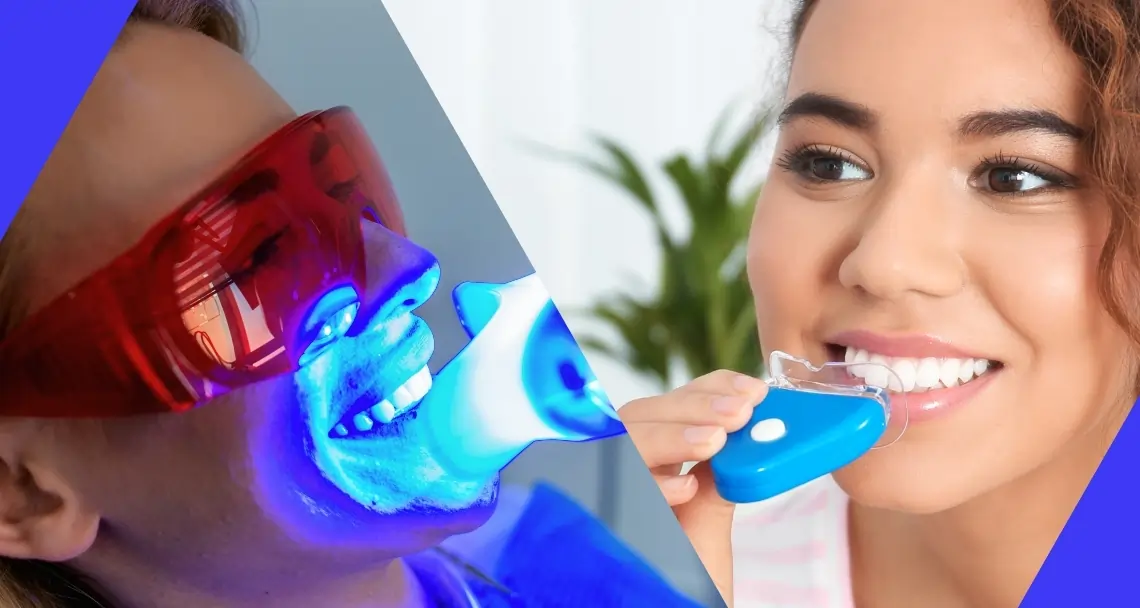
A whiter smile often helps people feel more confident, but for some, teeth whitening can lead to an uncomfortable side effect — sensitivity Guildford. That sudden zing when drinking something cold or the dull ache after treatment can take the excitement out of seeing whiter teeth in the mirror.
The positive thing is that the sensitivity of the teeth after whitening is usually temporary and, in many cases, avoidable. Understanding why this happens and knowing how to take care of your teeth before and after treatment can go a long way toward making the experience more enjoyable. The Vital Link: How Oral Health Shapes Your Overall Wellbeing
Why Do Teeth Become Sensitive After Whitening Treatments?
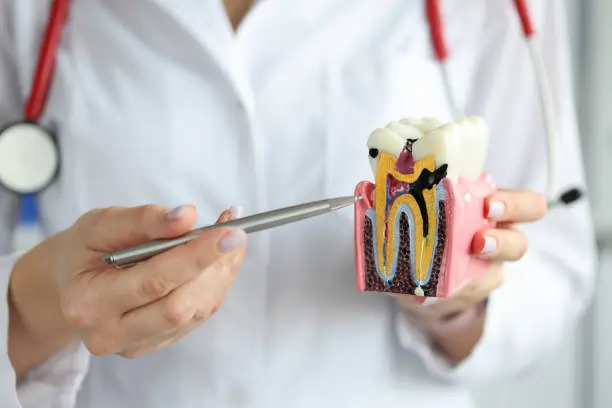
Teeth whitening products work by using bleaching agents, usually hydrogen peroxide or carbamide peroxide, to lift stains from the enamel. During the process, tiny pathways in the enamel open up, allowing the whitening ingredients to reach deeper discolouration.
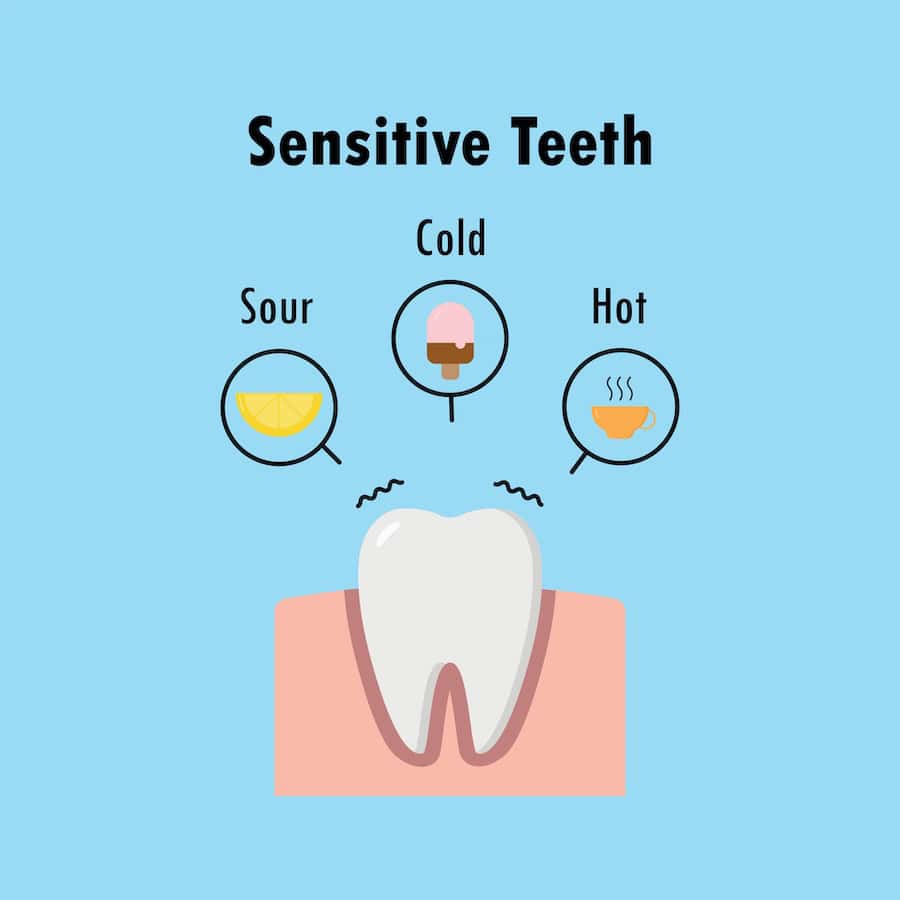
This temporary opening of the enamel can expose the tooth’s nerves more than usual. As a result, hot drinks, cold foods, sweet snacks, or even breathing in cool air may trigger sensitivity Guildford. Dealing with Teeth Sensitivity: When to Visit Your Dentist for Relief
Some people are naturally more prone to this than others. If you already have thin enamel, gum recession, untreated cavities, cracked teeth, or existing sensitivity Guildford, whitening treatments may feel more intense.
The strength of the whitening product can also play a part. Stronger formulas and treatments left on the teeth for too long may increase irritation.
What Can You Do Before Whitening to Reduce Tooth Sensitivity?
Preparing your teeth before treatment can make a noticeable difference.
One of the simplest steps is using a toothpaste designed for sensitive teeth for at least two weeks before whitening. These toothpastes help calm the nerves inside the teeth and build protection over time.
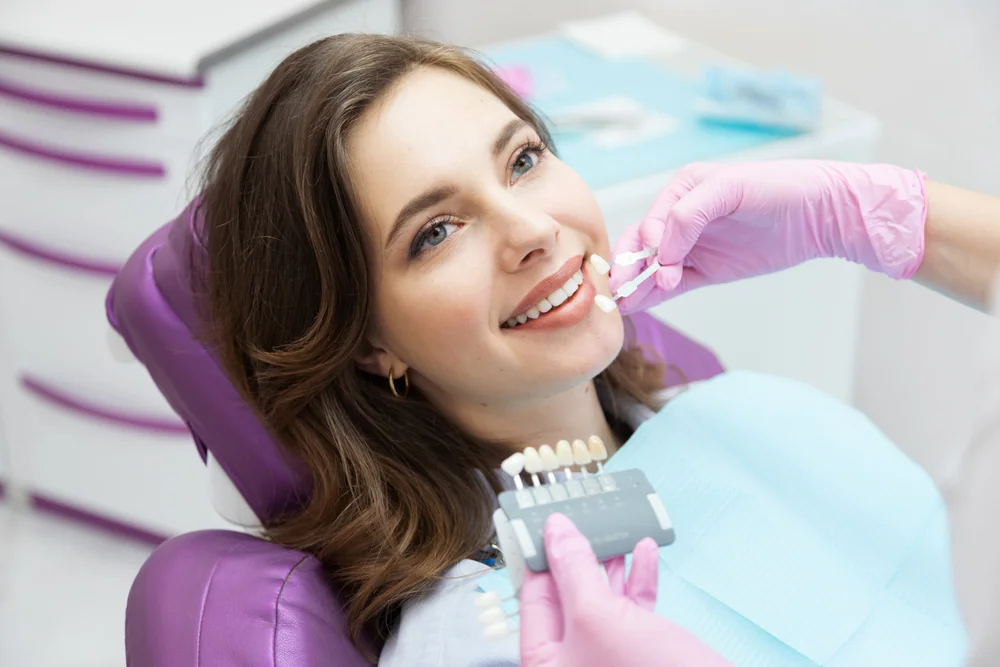
Booking in for a dental check-up beforehand is also advisable prior to starting any whitening regime. Dentists can identify issues like cavities, worn enamel or gum recession that could exacerbate sensitivity Guildford during whitening.
Staying hydrated may help too. Saliva actually protects enamel, so a dry mouth can make teeth feel more sensitive! Healthy Smile, Healthy Body: The Importance of Routine Dental Check-ups
We recommend avoiding excessive use of whitening strips or powerful over-the-counter kits well before going to a dentist if you need it, because your teeth are currently sensitive. It is often less the case, however, trying too quickly towards lighter and at all only difficult nevertheless.
Which Whitening Methods Are Gentler on Sensitive Teeth?
Not every per tale was the same in terms of experience.
For sensitive teeth, highly professional supervised whitening by a dentist is usually the safest option because the treatment can be tailored to your personal comfort level. A dentist can regulate the strength of the whitening gel and safeguard the gums as it proceeds.
Custom-made whitening trays are more comfortable than over-the-counter kits since they conform to the shape of the teeth, minimising contact with the gums.
You might also tolerate lower-strength whitening products as they take effect over a longer duration, versus aggressive treatments designed to achieve rapid results. Overcoming Dental Anxiety: Simple Tips for Stress-Free Check-ups
Whitening toothpastes are less irritating to some people, but they do create milder outcomes because they mainly just eliminate surface-level spots as opposed to deeply lightening teeth.
Avoiding unregulated whitening products may be a concern if sensitivity Guildford is an issue. Some have the wrong peroxide levels or harsh ingredients that may damage enamel.

How Can You Soothe Sensitivity After a Teeth Whitening Session?
If your teeth feel sensitive after whitening, there are several ways to make things more comfortable while your teeth settle.
Using a sensitive toothpaste regularly can help calm discomfort. Some people also find relief by applying a small amount directly to the teeth for a few minutes before rinsing gently.
For the first couple of days after whitening, it may help to avoid very hot or icy foods and drinks. Lukewarm meals are often easier on sensitive teeth.
Drinking cold drinks through a straw can reduce direct contact with the teeth, especially if certain areas feel particularly reactive.
If your teeth feel sore after treatment, giving them a short break from further whitening sessions is important. Whitening too frequently can increase irritation and make recovery take longer.
In most cases, sensitivity Guildford improves within a few days. However, if pain becomes severe or lasts longer than expected, it is best to speak with a dental professional. Laser Teeth Whitening vs Alternatives: Which Smile Brightening Method Is Best?
What Habits Help Keep Your Teeth Comfortable After Whitening?
Good habits after whitening can protect both your results and your comfort.
Brushing gently with a soft-bristled toothbrush helps avoid unnecessary enamel wear. Aggressive brushing can make sensitivity Guildford worse over time.
Limiting acidic foods and drinks, such as fizzy drinks, citrus fruits, and vinegar-heavy foods, may also help. Acid can temporarily soften enamel and increase discomfort after whitening.
Smoking and tobacco products can quickly stain teeth again, leading some people to over-whiten in an attempt to maintain results. Giving your teeth time between treatments is healthier for your enamel.
Getting dental cleanings regularly can naturally help you keep that bright smile and ward off the need for frequent whitening sessions.
Most of all, listen to your teeth. You can halt treatment temporarily and let your enamel heal a little bit if it feels uncomfortable.
FAQs
Q: Can teeth whitening make your teeth feel sensitive?
Yes, you are right — there is extra sensitivity Guildford involving whitening. Usually transient, resolving within days.
Q: How long does sensitivity from whitening last?
Most people are sensitive for 24 to 72 hours after treatment, and only some experience a little lasting discomfort.
Q: Can sensitive teeth still be whitened?
Sure, but doing your whitening more gently as well as consulting a dentist beforehand tends to minimise discomfort.
Q: Does whitening damage enamel?
Professional whitening treatments, when done appropriately and not excessively, are generally safe for enamel.
Q: My teeth hurt – should I not be whitening?
If it is too intense or continues to deteriorate, it is advisable to suspend treatment and consult the dentist before continuing.
Q: Do whitening strips cause more sensitivity?
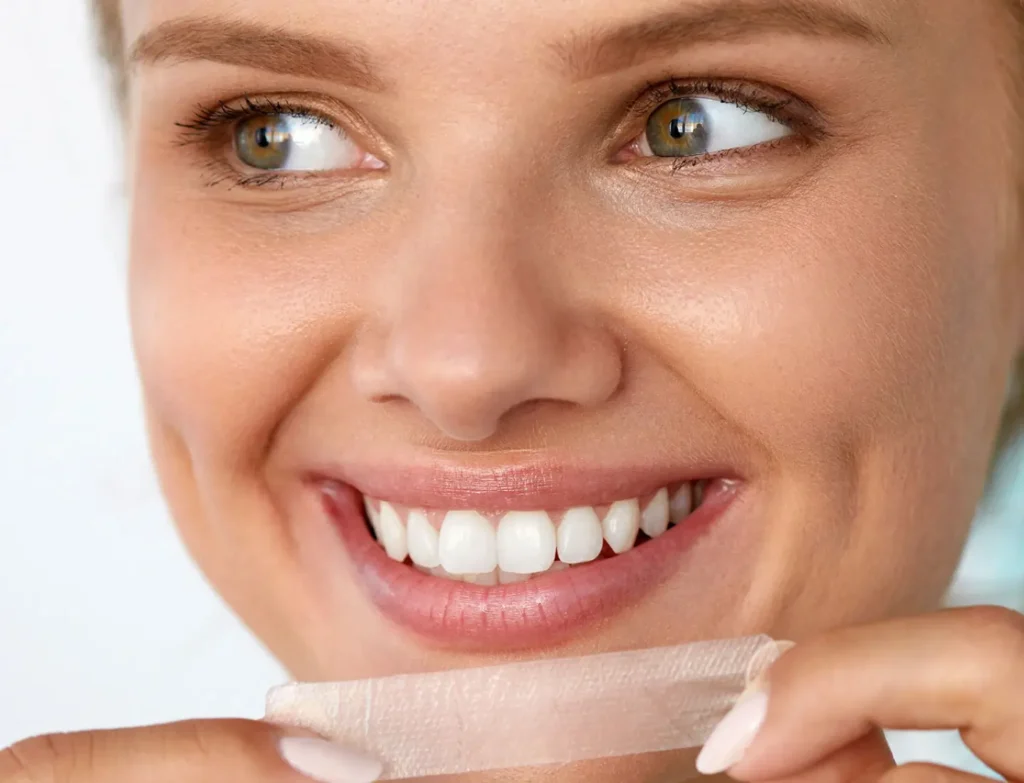
For some people, however, they can be irritating, particularly if applied too often or kept on for longer than advised.