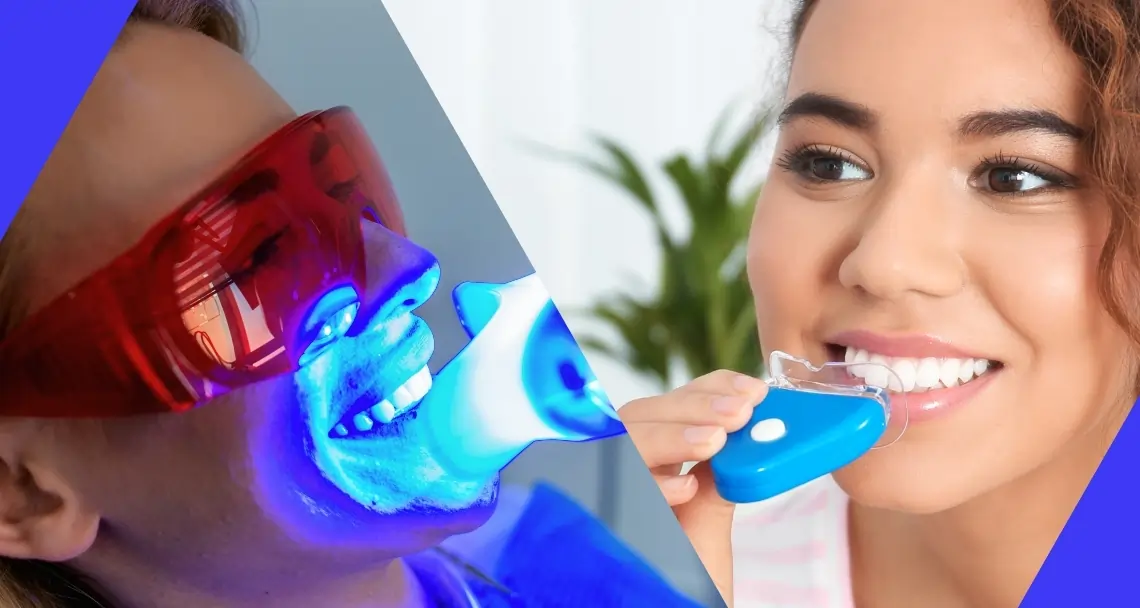
Teeth whitening is one of the most popular ways to improve your smile, but if you’ve ever experienced a sharp “zing” of pain when drinking something cold or brushing your teeth, you already know how uncomfortable teeth sensitivity Guildford can be.
So the big question is: can you whiten your teeth safely without making sensitivity worse?
Yes — but it depends on how you approach it.
This guide breaks everything down in a simple, practical way so you can understand what causes teeth sensitivity Guildford, how whitening affects it, and what you can do to protect your teeth while still achieving a brighter smile.
Why Do My Teeth Feel Sensitive in the First Place?
To understand whitening safely, you first need to understand sensitivity.
Tooth sensitivity usually happens when the protective layer of enamel becomes thinner or when gums recede, exposing the underlying dentin. This layer contains tiny channels that connect directly to the nerve, which is why you feel pain or discomfort. Teeth Whitening Showdown: In-Office vs. At-Home – Which is Right for You?
Common triggers include:
- Cold drinks or ice cream
- Hot beverages like tea or coffee
- Sweet or acidic foods
- Brushing too hard
- Teeth grinding
If your teeth already react to these triggers, whitening treatments need a more careful approach.
Does Teeth Whitening Always Cause Sensitivity?
Not always — but it can.
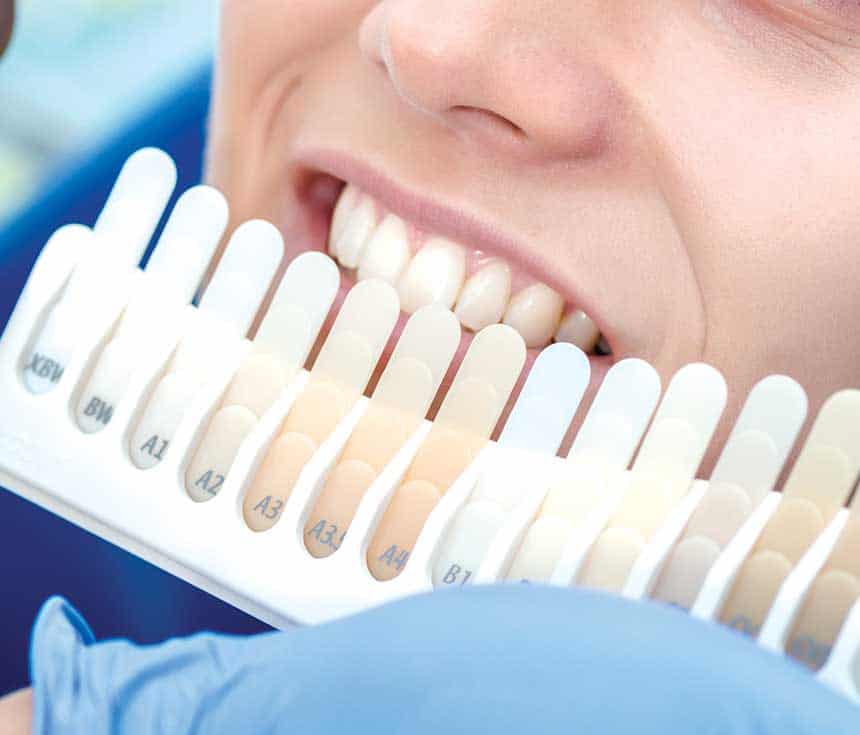
Whitening products: Broken down stains. When whitening products are used, the enamel pores are opened and broken throughout using a specific active ingredient (hydrogen peroxide or carbamide peroxide). Some temporary teeth sensitivity Guildford is normal during this process.
But here’s the important part:
Treatment is often administered in a way that maintains teeth sensitivity Guildford while being well tolerated.

Which Whitening Methods Are Most Likely to Cause Sensitivity?
Not every whitening product works in the same way on teeth. Some are stronger than others.
Are Professional Whitening Treatments Safer?
In most cases, yes. When undergoing professional treatments, they are tailored to your enamel discolourations and sensitivity. A dental provider may change the strength of the bleaching gel and exposure period to minimise discomfort. Shining Bright: Exploring the Latest Innovations in Teeth Whitening
Do At-Home Whitening Kits Increase Sensitivity?
Yes, they can—especially when they’re not used carefully.
- Leaving the trays on longer than advised can irritate the teeth.
- Strong whitening gels used without proper guidance may trigger sensitivity.
- If your enamel is already thin or weak, your teeth are more likely to react.
In many cases, overusing home whitening kits is what leads to that “zinging” or sensitive feeling in the teeth.
What About Whitening Toothpaste?
Whitening toothpastes are usually the gentlest option. They mainly remove surface stains rather than deeply bleaching teeth, so they are less likely to trigger teeth sensitivity Guildford— but results are slower and more subtle.
How Can I Tell If My Teeth Are Too Sensitive for Whitening?
You may need to be a bit careful if you notice:
- Pain when drinking cold water
- Sharp discomfort while brushing
- Sensitivity that stays after eating
- Gums that look slightly receded
If any of these feel familiar, it doesn’t mean whitening is not an option — it simply means your teeth may need a gentler, more tailored approach. The Essential Role of Professional Dental Advice in Teeth Whitening
What Can I Do Before Whitening to Reduce Sensitivity?
Comfort is largely about preparation.
Do I Try a Desensitising Toothpaste First?
Yes. Try using a desensitising toothpaste 1–2 weeks before whitening to block nerve pathways (and thus discomfort).
Does Strengthening Enamel Help?
Absolutely. Contact your dentist — This product can help desensitise the teeth. Using fluoride-based toothpaste or mouthwash before whitening will strengthen enamel and lower teeth sensitivity Guildford.
Should I Avoid Certain Foods Before Whitening?
It’s helpful to reduce acidic foods like:
- Citrus fruits
- Fizzy drinks
- Vinegar-based foods
These can weaken enamel temporarily and increase sensitivity.
What Should I Do If I Feel Sensitivity After Whitening?
Post-whitening sensitivity tends to resolve after a few days (in 24–72 hours), and mild sensitivity is common.
To manage it:
- Use a sensitive toothpaste.
- Temporary avoidance of hot or cold food
- To avoid acidic drinks for 2 days
- Use a soft brush with very gentle brushing.
If sensitivity persists beyond a week, it is recommended that it be checked by a dental specialist. A Complete Guide to Understanding and Managing Tooth Sensitivity
Final Thoughts: Should You Be Worried About Sensitivity?
Teeth sensitivity Guildford and whitening don’t really have to be a problem together. In most cases, people can still brighten their smile safely without dealing with lasting discomfort.
What matters most is taking it steady instead of rushing into it. When you pick a method that’s kinder to your enamel and matches your teeth sensitivity Guildford, things usually feel much more manageable.
At the end of the day, a whiter smile should feel good to show off — not something you have to put up with pain for.

FAQs
Q: I want whiter teeth, but even cold water makes my teeth hurt. Can I still do whitening safely?
Yes, but it needs a gentle approach. Sensitivity usually means the enamel is a bit exposed or the nerves are more reactive, so strong whitening could make it worse. A dentist may first recommend a desensitising toothpaste, then use a low-strength or shorter whitening treatment so you can still get results without unnecessary discomfort.
Q: I tried an at-home whitening kit before and my teeth became very sensitive. Does that mean I shouldn’t whiten again?
Not at all. It usually just means the product was too strong for your teeth or not the right fit for your sensitivity level. You can still whiten safely, but a professional treatment is often better because it can be adjusted to suit your comfort and reduce the chance of teeth sensitivity Guildford.
Q: Why does whitening make my teeth more sensitive, and how long does it usually last?
This is actually pretty common. Whitening can leave teeth a bit more sensitive because it temporarily “opens up” the enamel surface, so things like cold air or drinks can feel sharper than usual. It’s usually short-lived though — most people notice it easing off within 1–3 days. Using a teeth sensitivity toothpaste and just avoiding extremes (like ice-cold drinks or very hot coffee) for a short while usually helps a lot.
Q: I have receding gums and sensitive teeth. Is whitening still an option for me?
Yes, but it should be done judiciously. Other lower strength gels will work, and vice versa, but targeted application can help mitigate irritation. A professional will customise the treatment to safeguard exposed space and also minimise discomfort.
Q: What can I do before whitening to prevent sharp pain during treatment?
A good way to prepare is to start a desensitising toothpaste a week or two before your whitening appointment. It gives your teeth time to get a bit more comfortable with teeth sensitivity. Switching to a fluoride toothpaste and being a little careful with very acidic foods and drinks during this time can also help reduce that “zingy” feeling some people get during whitening.
Q: I want noticeable whitening results, but I’m scared of pain. Is there a way to balance both?
Yes, you don’t really have to go through discomfort just to get results. A lot of people actually find it easier when they take a slower approach with lower-strength gels over a few sessions. It may not feel “instant,” but the results still build up nicely over time — and the biggest difference is that it usually feels much gentler on the teeth, which makes the whole process easier to stick with.