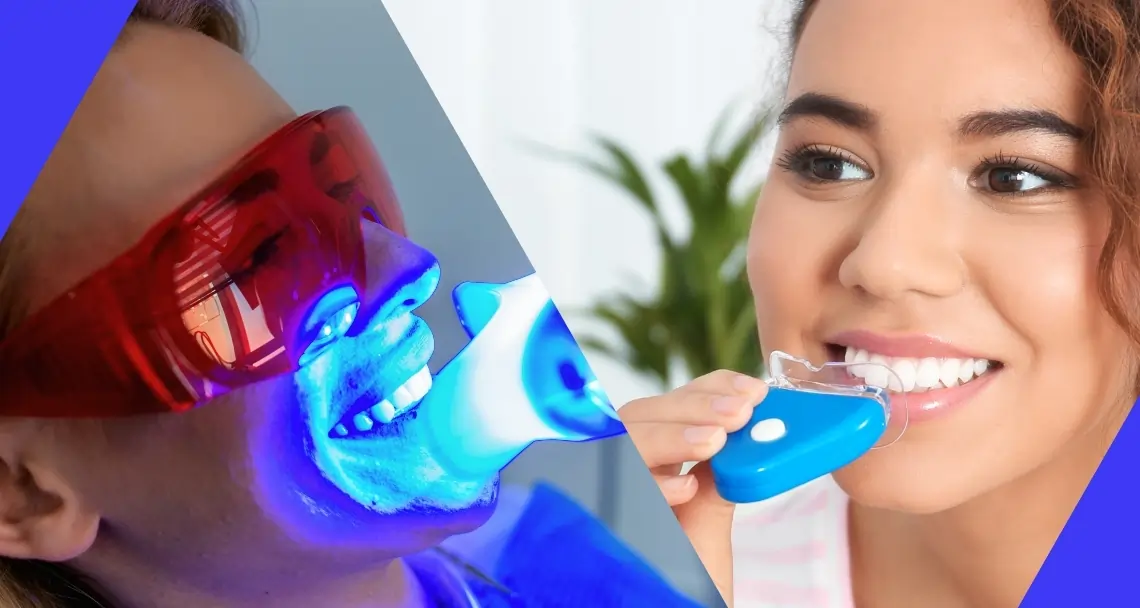
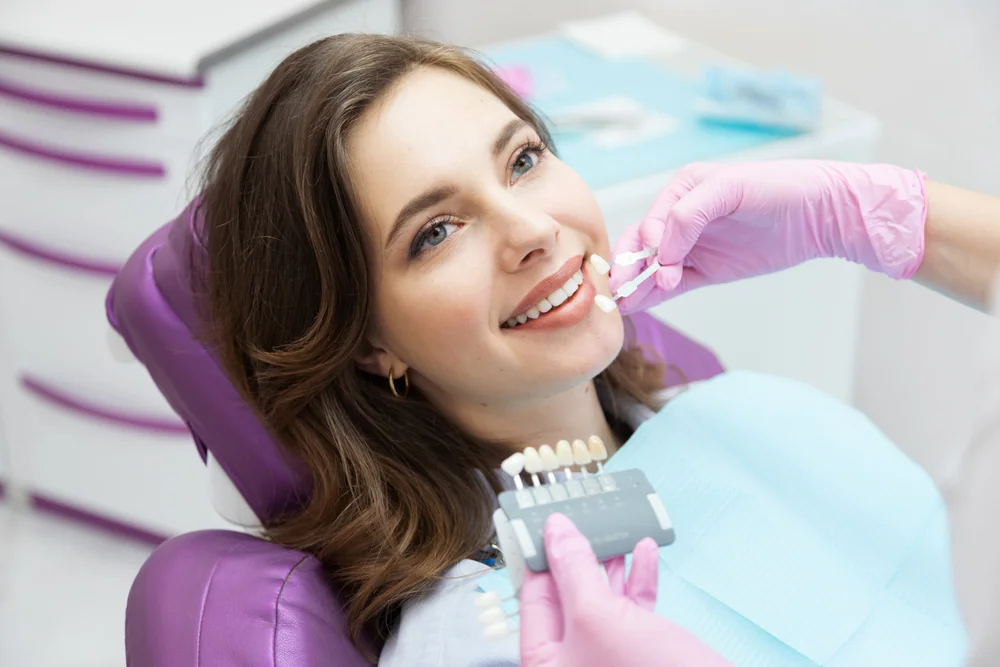
If you’ve ever taken a sip of cold water and felt that sudden, sharp jolt in your teeth, you’ll know exactly how annoying tooth sensitivity can be. It’s not constant pain—it’s those quick, unexpected moments that catch you off guard.
For some people, it only happens now and then. For others, it starts creeping into everyday life—hot tea, ice cream, even brushing your teeth can trigger it. How to Prevent Teeth Sensitivity After Treatments Guildford Read Here
The thing is, sensitive teeth aren’t unusual at all. Most people deal with it at some point. And in many cases, it’s not something serious—it’s just your teeth telling you they need a bit more care than before.
What Causes Tooth Sensitivity and Why Does It Suddenly Start?
Teeth are tougher than they look, but they’re not indestructible. The outer layer (enamel) is there to protect everything inside. Underneath that is dentine, which connects to the nerves.
When that protective layer wears down—even slightly—those nerves become more exposed. That’s when sensitivity kicks in.
What throws people off is how suddenly it can appear. One week, everything feels fine, and the next, cold drinks start bothering you. See Here: Navigating Teeth Sensitivity Guildford: Your Guide to Safe Whitening Treatments
Here’s what’s usually going on behind the scenes:
- Brushing too hard for too long: It’s a really common habit. You think you’re doing a better job, but over time, it actually wears the enamel down.
- Gums are slowly pulling back: This happens gradually, so you don’t notice it straight away. But once the root of the tooth is exposed, it’s naturally more sensitive.
- Grinding your teeth without realising: A lot of people do this in their sleep. It’s subtle, but it adds up.
- Too many acidic foods or drinks: Things like fizzy drinks, lemon water, or even fruit juices can soften enamel over time.
- Recent dental work: Whitening or a deep clean can make your teeth feel a bit sensitive for a short while—but this usually settles.
Most of the time, it’s not just one thing—it’s a mix of small habits building up over time.
How Can You Tell If Your Teeth Are Becoming Sensitive Guildford?
It usually doesn’t show up all at once. Most of the time, it begins very subtly.
You might notice:
- A quick sting when you eat something cold
- A slight discomfort when you drink something hot
- That sudden, sharp feeling when having sweets
- Certain spots feel a bit sore when brushing.
In the beginning, it’s easy to brush it off. But if it starts happening more often, it usually means your teeth are starting to become more sensitive.
One thing to keep in mind—if the pain feels strong, doesn’t go away, or is coming from just one tooth, it’s best not to ignore it. That’s when getting it checked is a sensible step.
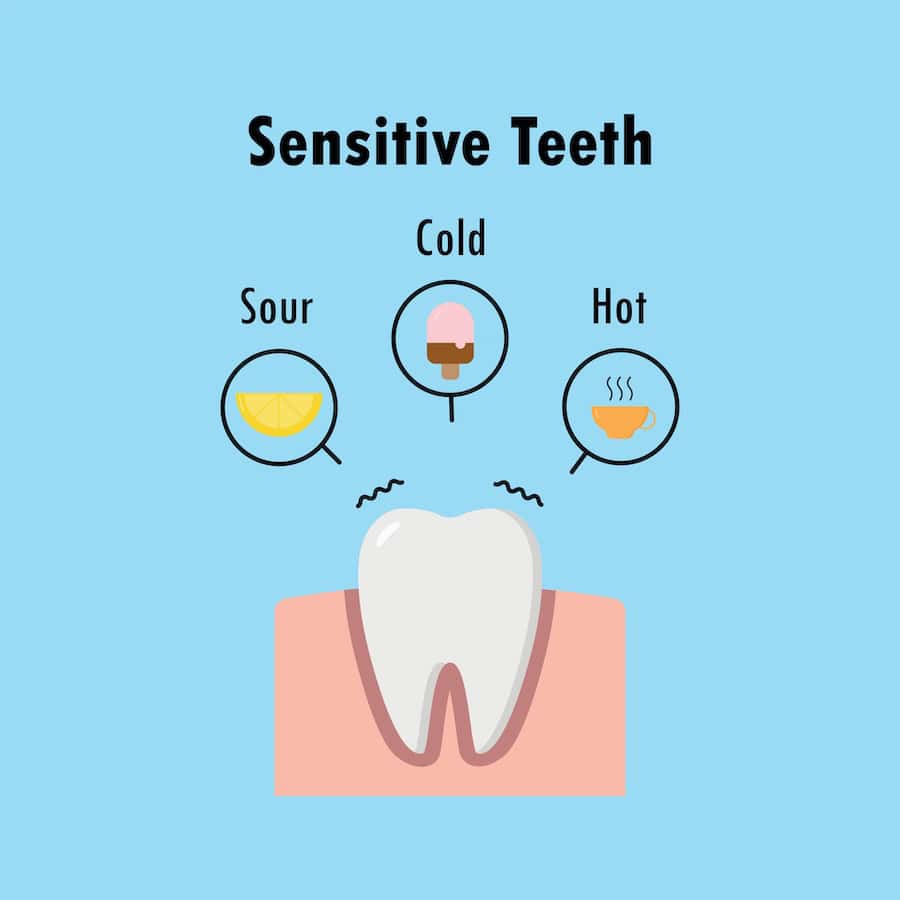

What Are the Best Ways to Reduce and Manage Dental Sensitivity Guildford?
You don’t need to change your lifestyle to deal with sensitivity Guildford completely. Usually, it’s about small adjustments that protect your teeth going forward.
Here’s what actually helps in real life:
Be gentler when you brush.
A soft toothbrush and lighter pressure go a long way. You don’t need to scrub to get clean teeth.
Use a toothpaste made for sensitivity.
It might not feel like it’s doing much at first, but give it a bit of time. Used regularly, it can really take the edge off that sharp feeling. Click Here To Unlock Better Oral Health with the Right Toothpaste and Toothbrush Guildford
Be a bit mindful of acidic foods.
You don’t have to give them up. Just try not to have them constantly throughout the day. And avoid brushing straight after—your enamel is softer then.
Keep an eye on grinding.
If you wake up with a tight jaw or headaches, it could be a sign. A mouthguard can help more than people expect.
Don’t skip check-ups.
Sometimes sensitivity is just sensitivity. Other times, it’s an early sign of something that’s easier to fix sooner rather than later.
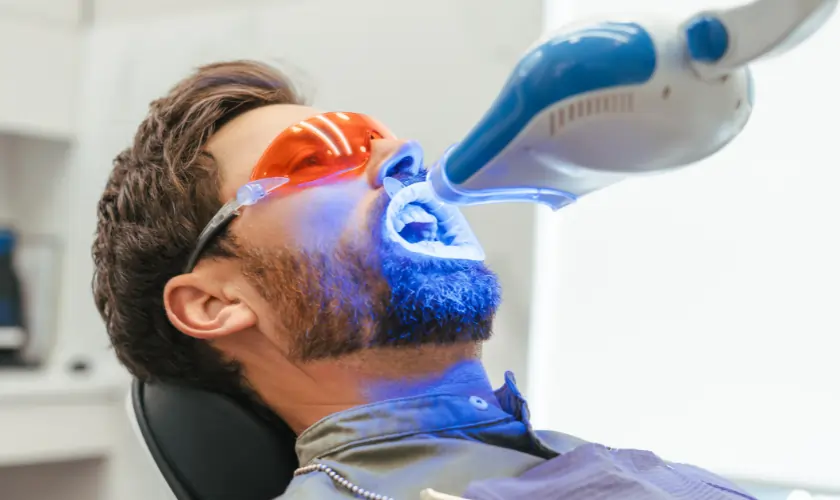
Can Professional Laser Teeth Whitening Like Ultima White Be Safe for Sensitive Teeth?
This is usually the point where people start to feel a bit unsure—and that’s completely understandable. If your teeth are already sensitive, the idea of whitening them can easily sound like it might make things worse.
But in reality, it’s not quite that straightforward.
With professional treatments like Ultima White, everything is carried out in a far more controlled and careful way compared to typical DIY kits. And that alone makes a noticeable difference.
What tends to help is:
- The products are formulated to be more balanced and not overly harsh.
- The treatment itself can be adjusted based on how sensitive your teeth actually are
- You’re given proper before-and-after guidance, which most at-home options simply don’t provide.
Some people might notice a bit of sensitivity afterwards, but it’s usually mild and settles down fairly quickly.
The most important thing is being honest about your sensitivity beforehand. That way, the treatment can be adapted to suit you, rather than just pushing through and hoping for the best.
FAQs
Q: Will my teeth always stay sensitive now?
Not necessarily. A lot of people see improvement once they change a few habits and use the right products consistently.
Q: How quickly does sensitive toothpaste work?
It’s not instant, but within a couple of weeks, most people notice things feel more manageable.
Q: Do I need to stop eating cold foods completely?
No, just be mindful. The goal isn’t to avoid everything—it’s to reduce the triggers and protect your teeth. See Here: Teeth Sensitivity Guildford: When to Consult Your Dentist for Relief
Q: Is professional whitening safe if I already have sensitivity Guildford?
In many cases, yes—especially when it’s done properly and tailored to you.
Q: When should I stop guessing and see a dentist?
If something doesn’t feel right—like strong pain, ongoing discomfort, or one specific tooth causing trouble—it’s always better to get it checked.
Q: Can stress actually affect my teeth?
Yes, especially if it leads to grinding. It’s one of those things people don’t realise until it starts causing issues.